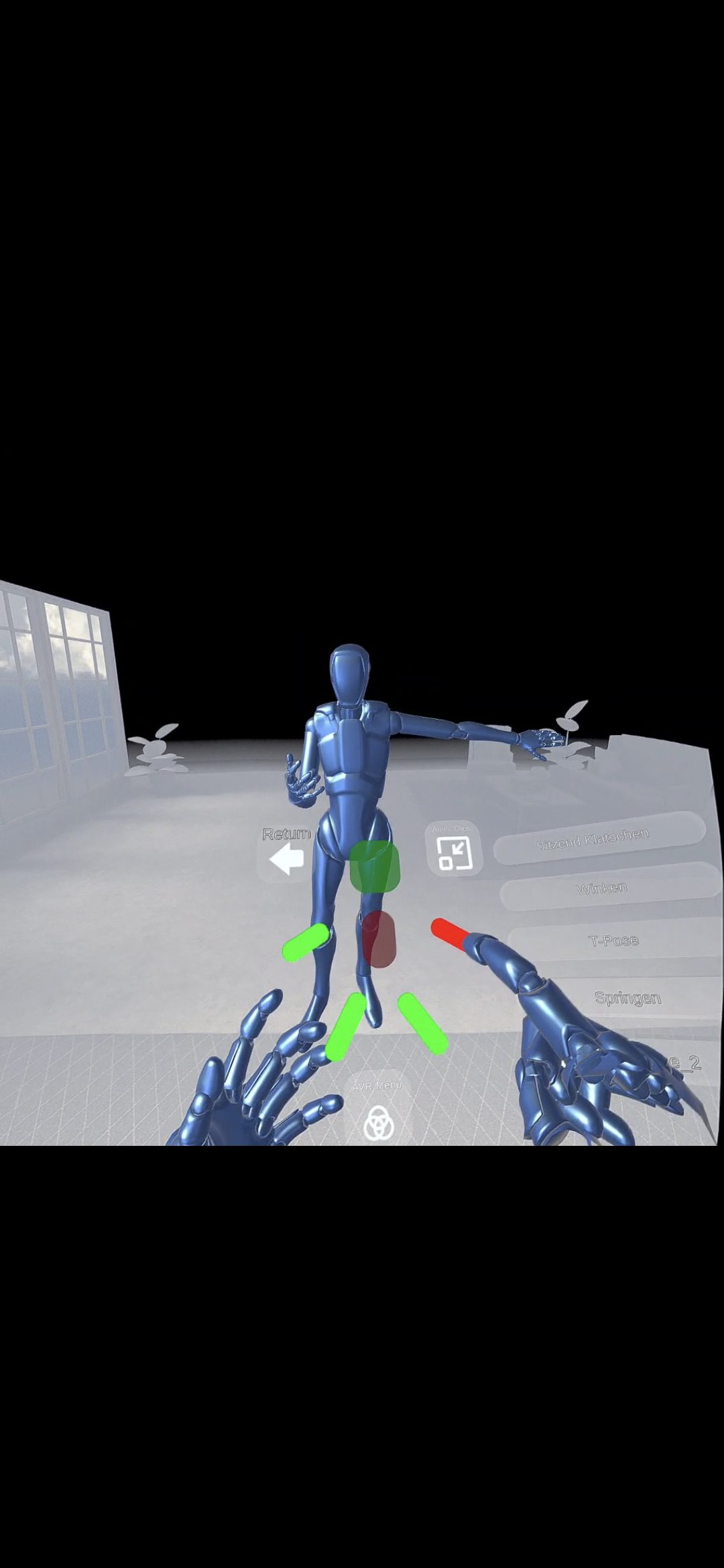
Master's Thesis
AnimVRig 2.0
Unity Animation Tool based on Unity Movement SDK for Quest 3
- Unity
- Movement SDK
- VR
- Oculus SDK
Master Project
A hybrid Unity plugin for real-time animation — in the editor and in VR
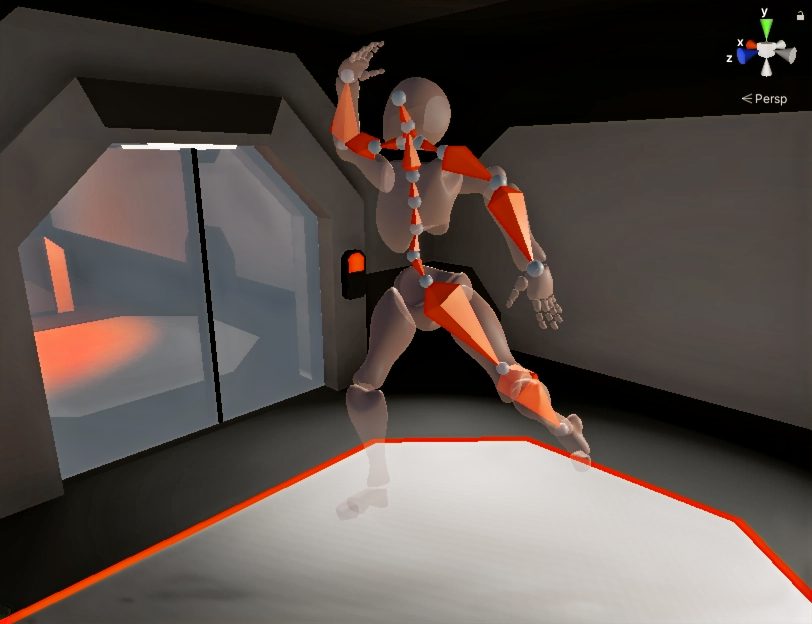
I am thrilled to introduce my most ambitious project to date, a journey that required substantial time and effort to craft the initial prototype. This endeavor took shape during the 'Project 2' course, where collaboration with my professor allowed me to refine and articulate my vision of creating a Unity plugin.
Motivated by my personal desire to streamline animation in Unity for individual purposes and seamlessly integrate it into the realm of virtual reality, the result is a hybrid application called AnimVRig (AVR) tailored for developers.
This tool empowers developers to dynamically modify animations within the Unity editor in real time. Additionally, they have the flexibility to further refine the animation process in virtual reality. Existing animations can be effortlessly corrected and overwritten, regardless of whether the target model is humanoid or not. The plugin generates a new rig based on the specified bone structure, allowing users to animate as they wish without the steep learning curve associated with tools like Blender.
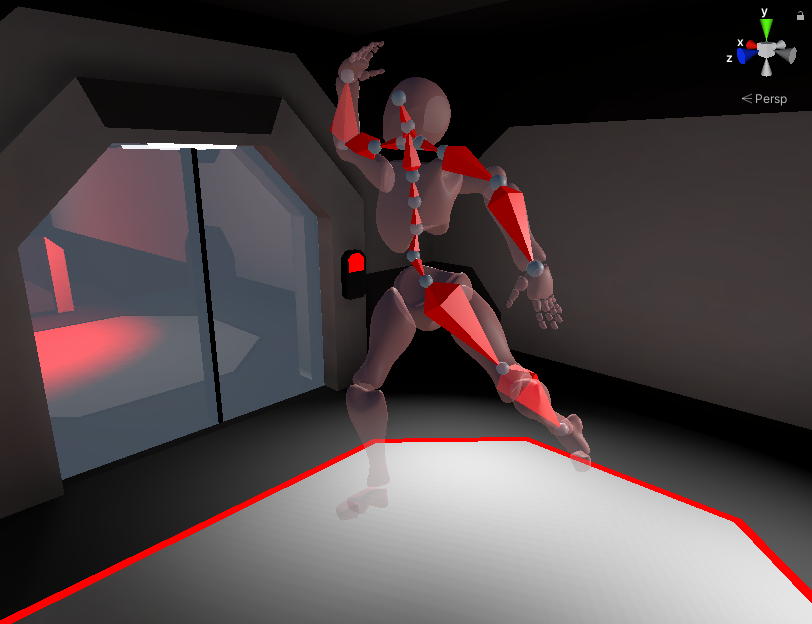
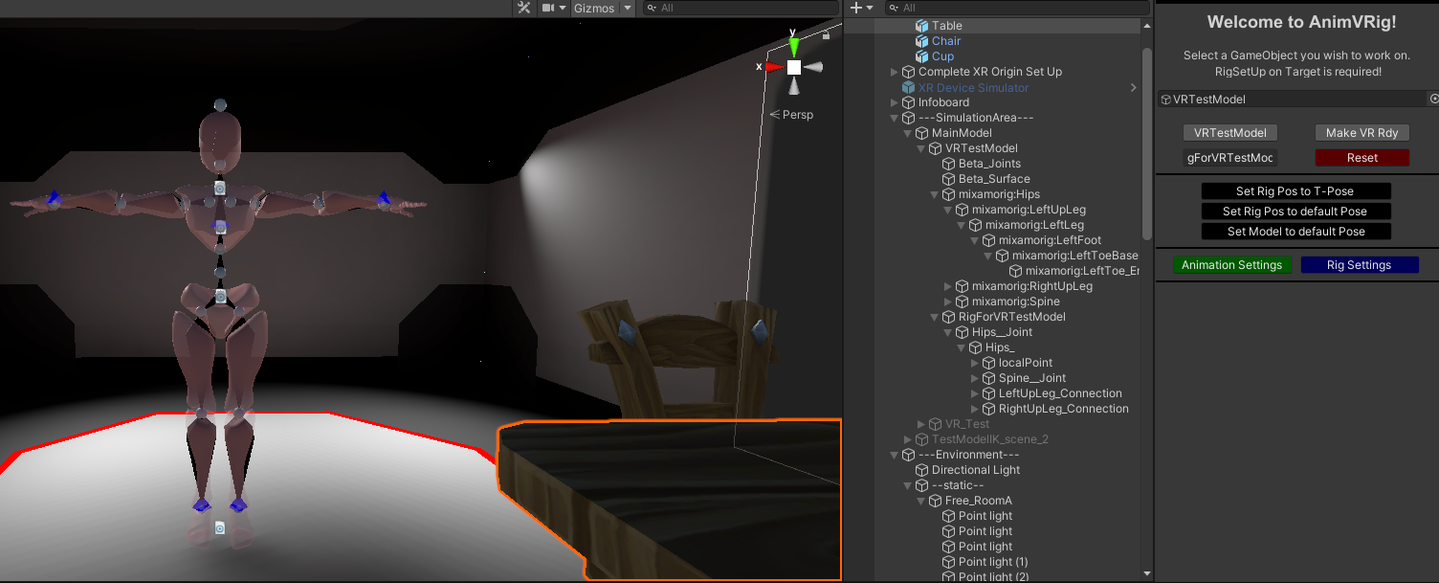
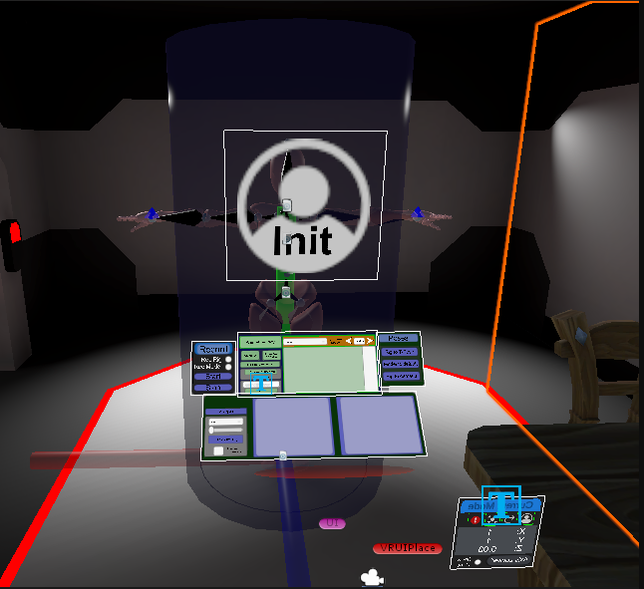
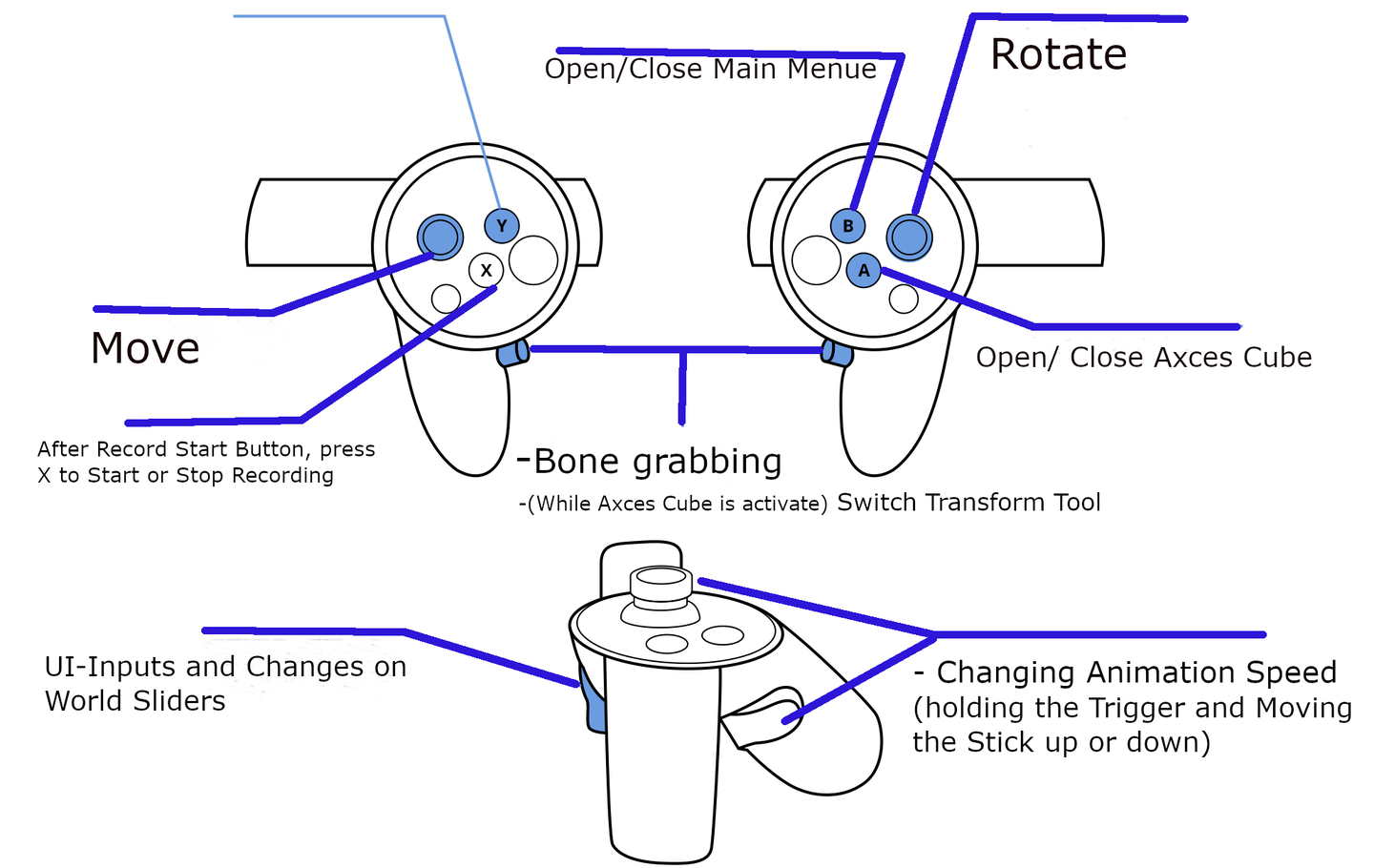
Let's take a look at what my development can do and what purposes it serves!
The video is loaded from YouTube (privacy-enhanced mode) only after you press play. Until then, no data is sent to YouTube.
And finally, here's the trailer for the VR version. I hope you enjoy watching it.
The video is loaded from YouTube (privacy-enhanced mode) only after you press play. Until then, no data is sent to YouTube.
With a high likelihood I will be writing my master's thesis on this project and continuing its development. I have many ideas to make animating in Unity, especially in VR, more accessible and efficient for you.
Spoiler: that's exactly what happened — see AnimVRig 2.0, my master's thesis.
Master's Thesis
Unity Animation Tool based on Unity Movement SDK for Quest 3
Master Project
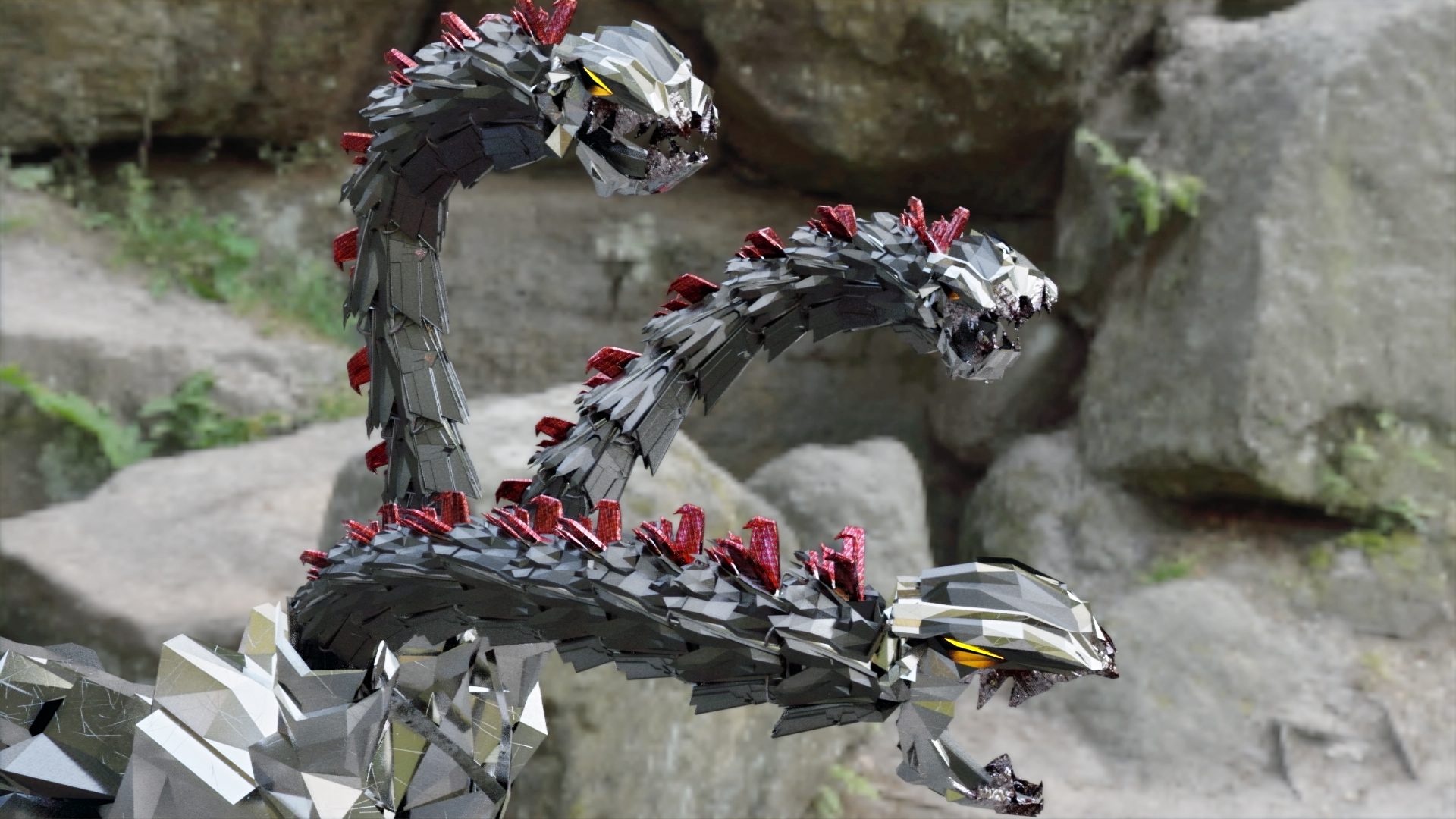
A cyber-style Hydra modeled, rigged and animated in Blender
Master Project
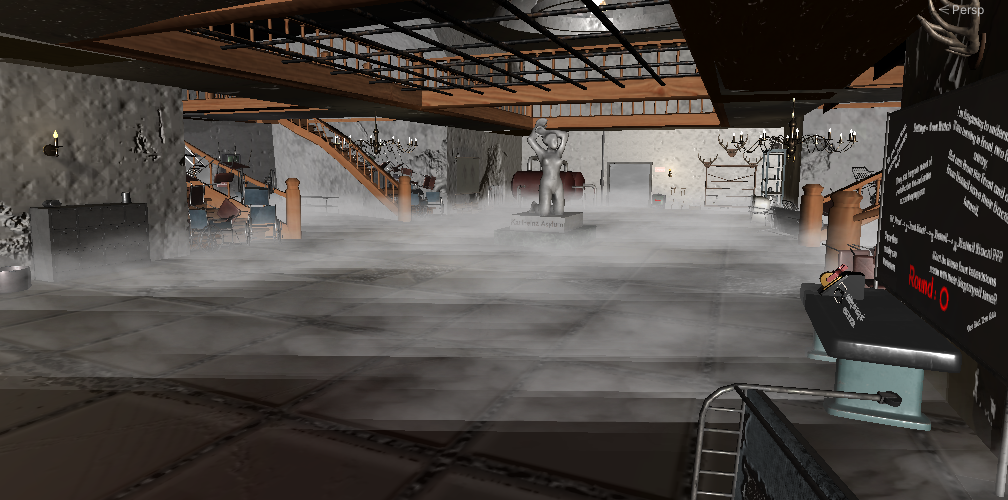
A spatial-audio VR horror experience built with the Resonance Audio SDK